Copyright, Unregistered Design Rights, Registered Designs and Trade Marks: What Every Jeweller Needs to Know
27 Jul 2026
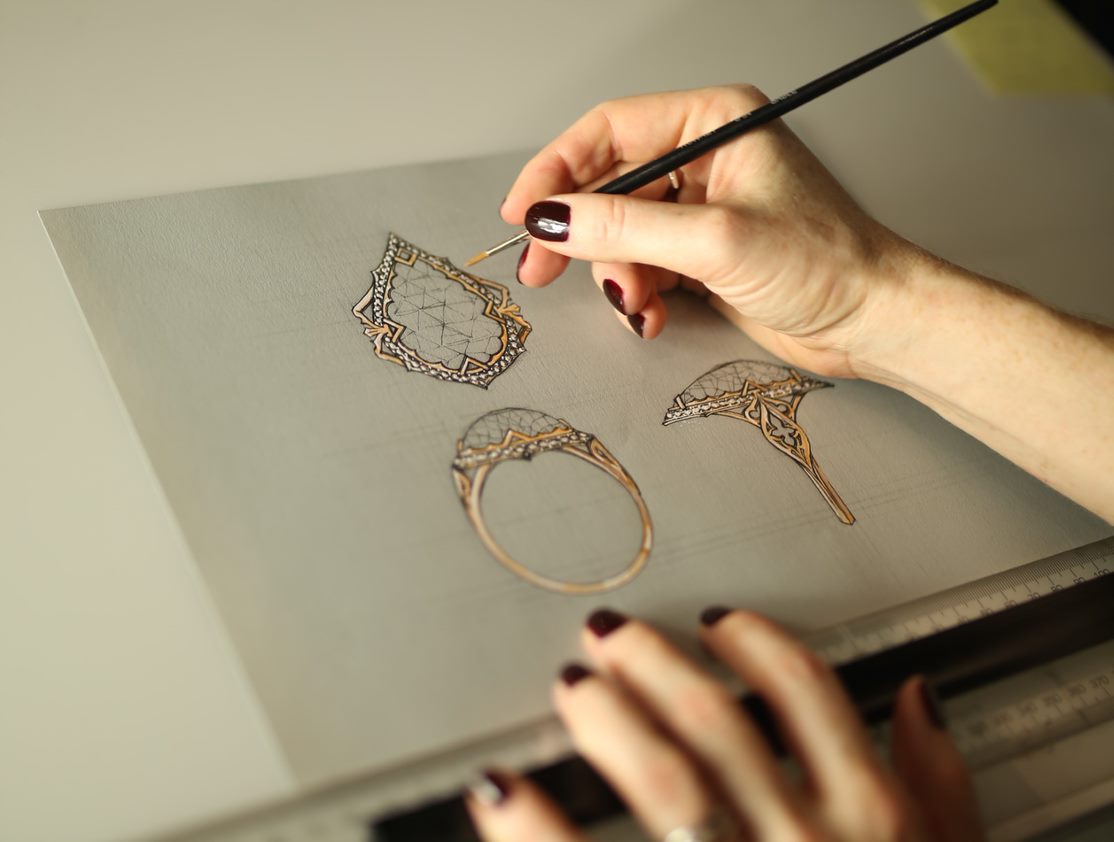
Michaela Cusack, Director, National Business Register Group shares her thoughts.
A question I was asked recently by a jeweller was:
"I've created a new jewellery design. How do I stop someone copying it?"
The answer is not always straightforward. A single piece of jewellery can benefit from several different intellectual property rights, each protecting a different aspect of the creation.
Many assume that because they designed a piece themselves, they automatically own complete protection over it. Whilst certain rights arise automatically, others require registration, and each serves a different purpose.
Understanding the distinction between copyright, unregistered design rights, registered designs and trade marks can help protect the value of your creativity, strengthen your brand and reduce the risk of costly disputes.
The Four Layers of Protection
Think of a jewellery business as having four valuable assets:
- Your creative works
- Your product designs
- Your brand
- Your reputation
Different intellectual property rights protect different parts of those assets.
|
Intellectual Property Right
|
What It Protects
|
|
Copyright
|
Original sketches, drawings, CAD files, photographs, marketing materials and certain artistic works
|
|
Unregistered Design Rights
|
Certain aspects of the shape, configuration and appearance of jewellery products that arise automatically
|
|
Registered Designs
|
The appearance of a product, including shape, lines, contours, texture and ornamentation with the added benefit of a formal registration and clearer enforcement rights
|
|
Trade Marks
|
Brand names, logos, collection names and other indicators that identify your products in the marketplace
|
The mistake many businesses make is relying on just one of these rights when a combination often provides stronger protection.
Copyright: The Automatic Right
Copyright arises automatically when an original work is created.
For jewellers, this often includes:
- Design sketches
- Hand drawings
- CAD files
- Product photography
- Marketing materials
- Original artwork used within branding
Copyright protects the expression of an idea rather than the idea itself.
For example, if you create a detailed drawing of a new engagement ring, copyright is likely to protect that drawing. However, it does not necessarily prevent somebody from creating a similar ring independently. This area of law can be complex and each case will depend on its specific facts.
For this reason, many jewellers choose not to rely solely on copyright protection when a design has significant commercial value.
Unregistered Design Rights: Automatic Protection for Jewellery Designs
Alongside copyright, certain design rights can arise automatically when a new design is created.
Many jewellers are unaware that some level of protection may exist without the need to file an application or pay a registration fee.
These rights can protect certain aspects of a jewellery design, including elements of its shape, configuration and visual appearance.
This can be particularly valuable for independent designers and smaller businesses that regularly create new collections.
However, there is an important limitation.
Whilst unregistered rights arise automatically, they can sometimes be harder to enforce. If a dispute occurs, you may need to demonstrate when the design was created, whether the right exists and whether the competing product has copied your design.
Good record-keeping can therefore be extremely important. Retaining dated sketches, CAD files, prototypes, photographs and design notes can help demonstrate the development of your work and strengthen your position should a dispute arise.
Registered Designs: Protection for the Product Itself
If copyright focuses on creative expression, registered designs focus on the appearance of a product.
A registered design protects how a product looks.
This can include:
- The shape of a ring
- The profile of a pendant
- A distinctive stone setting
- Surface decoration
- Decorative patterns
- The overall appearance of a piece
For many jewellers, registered designs represent one of the most valuable yet underutilised forms of intellectual property protection.
Unlike copyright and unregistered design rights, a registered design creates a formal record of ownership and provides a registration certificate that can be relied upon when enforcing rights.
Registered designs can be particularly valuable where:
- A design has significant commercial potential
- Multiple copies will be manufactured
- The design forms part of a signature collection
- The business sells online or internationally
- The design is likely to remain in production for several years
Timing is critical. Whilst the UK provides a 12-month grace period from the date a designer first discloses a design, relying on this can carry risks, particularly if protection may be required internationally. Where a design is likely to become a valuable commercial asset, considering registration before launch can provide greater certainty and wider protection options
Trade Marks: Protecting the Brand Behind the Jewellery
One of the most common misconceptions is that a trade mark protects a product design.
In most cases, it does not.
A trade mark protects the badge of origin that customers recognise and associate with your business.
This could include:
- Your business name
- Your jewellery brand
- A logo
- A collection name
- In some circumstances, distinctive product shapes
When customers choose a jeweller because of its reputation, they are often relying on trade mark rights without even realising it.
Consider two identical rings.
One carries an established and trusted brand.
The other does not.
The difference in perceived value may have little to do with the product itself and everything to do with the reputation attached to the name.
That reputation is precisely what trade mark protection is designed to safeguard.
Why Jewellers Need More Than One Type of Protection
The strongest intellectual property strategies rarely rely on a single right.
Consider a new jewellery collection.
- Your sketches and CAD drawings may be protected by copyright.
- Certain aspects of the jewellery design may benefit from unregistered design rights.
- The finished pieces may be protected through registered design registrations.
- The collection name may be protected by a trade mark.
- Your business name and logo may also benefit from trade mark protection.
Each right addresses a different commercial risk.
That is why intellectual property should be viewed as a toolkit rather than a single solution.
A Practical Example
Imagine a jeweller launches a distinctive collection inspired by the coast.
The business might:
- Retain dated sketches and CAD files.
- Maintain records showing how the designs developed.
- Register the key jewellery designs.
- Register the collection name as a trade mark.
- Protect the company brand through trade mark registration.
If a competitor later introduces a highly similar range, those rights may provide multiple avenues for protection rather than relying on a single argument.
The Commercial Reality
Jewellery businesses invest significant time, creativity and money in bringing new designs to market.
Yet many only begin thinking about intellectual property when a dispute arises.
By then, valuable opportunities may already have been missed.
A more effective approach is to consider protection at the design stage.
Before launching a new collection, ask yourself:
- Is the design commercially important?
- Could it be copied easily?
- Is the collection likely to become a long-term seller?
- Does the collection have a distinctive name?
- Does the brand deserve protection?
If the answer to any of these questions is yes, it may be worth reviewing your intellectual property strategy before launch rather than after a problem develops.
Final Thoughts
There is no single intellectual property right that protects every aspect of a jewellery business.
Copyright protects creative works.
Unregistered design rights may provide automatic protection for aspects of jewellery designs.
Registered designs protect the appearance of products and may provide greater certainty when enforcing rights.
Trade marks protect brands, collection names and commercial reputation.
Understanding where each right fits, and how they work together, can help jewellers reduce risk, strengthen their market position and maximise the value of their creativity.
After all, creating something original is only part of the story. Taking sensible steps to protect it is what helps preserve its long-term value.

Source: National Business Register Group