The world of jewellery up-cycling
27 Mar 2019
We are constantly urged to reduce, reuse, and recycle in an effort to combat climate change. A lot of us are making steps in our home lives, I'm actively reducing my use of plastic for example. But are we doing the same in work, and are we doing enough in the jewellery industry with the valuable resources of metals and minerals? Is there more that we could be doing? The answer is probably yes. There are lots of ways we can reduce, reuse and recycle these precious minerals.
Firstly, let's look at reducing, it might seem odd to want to reduce the amount of gemstones you use, and I agree! What I'm suggesting is reducing the stockholding and purchase of unnecessary gemstones. It’s very tempting when buying gemstones for jobs to buy in “bulk” because it makes individual stones cheaper. But if you only need one, most of the time it's better to just buy 1. Absolutely if you know you use one hundred 1.5mm pale blue round sapphires in a 6-month period, by all means buy 100 at a time. However, if do not know when you will next another need it is pointless investing capital into stones that are just going to sit there unused, so it is vital to be analytical about what you will and won’t use.
In my experience a lot of businesses end up with a large stock of gemstones that they never use, are difficult to manage and store, and often end up not finding the stone they need anyway so buy another 10! You are usually better putting that money into something else that will make you money. If you do get to the point where you want to liquidate those extra stones, you may be amazed by the disparity in what you’ve paid for the stones and what you might receive on the open market. It is remarkably rare, unless you have desirable material that has increased in value, to even get your money back on these types of stones. If you look at what you’ve spent on unused stones over the years, you will often see the small amounts extra you pay for just the stones you need are well-worth it for the liquidity and profitability of your business.
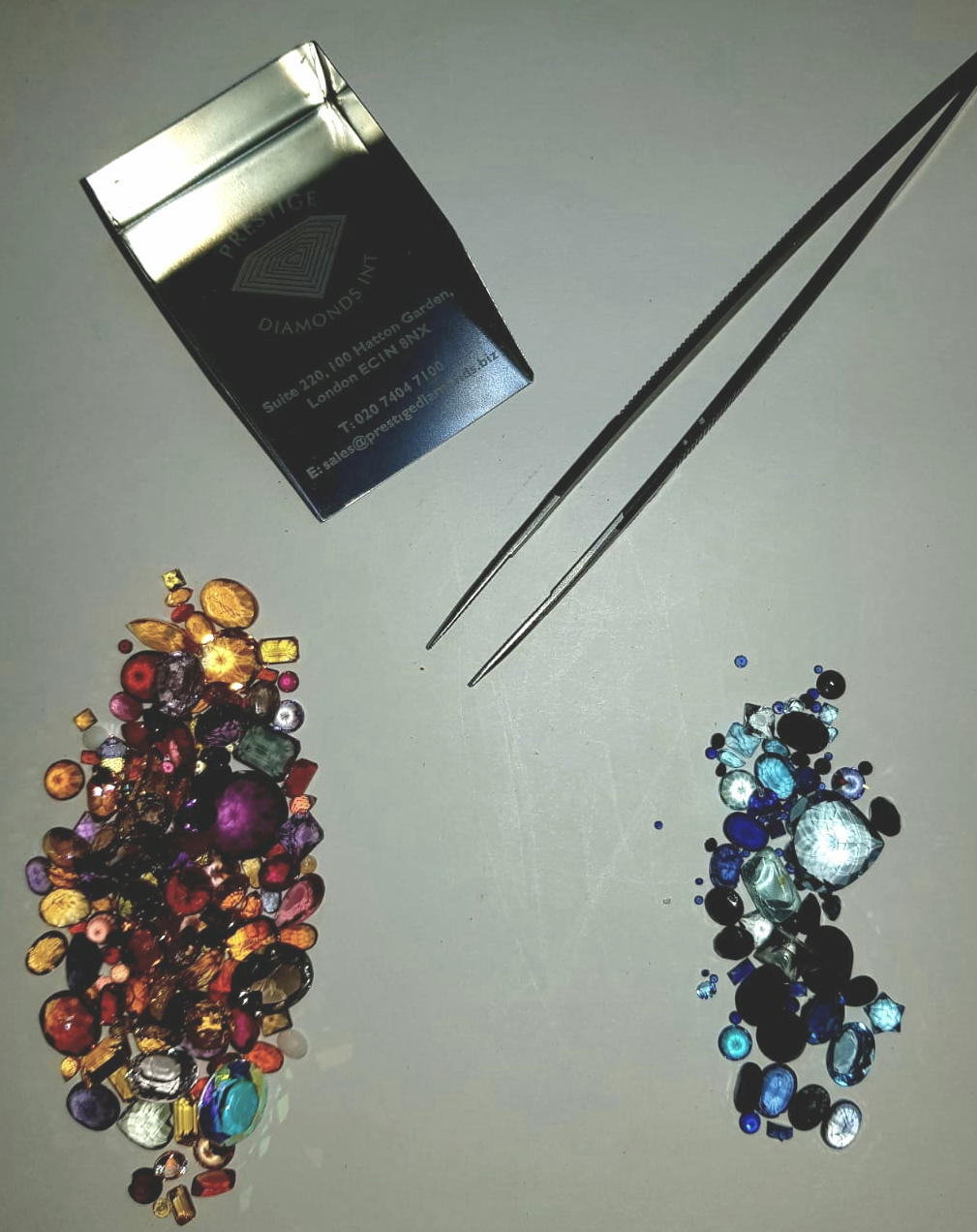
Moving on to reusing gemstones; it was always common for jewellery and gemstones to be reused. The Victorians were always updating things to their own style, but with the onset of the industrial revolution and quicker and cheaper ways of making jewellery this declined for a large part of the twentieth century. However, with consumers now more likely to want to be emotionally connected to their jewellery, to be part of a story, this idea of remodelling and remaking jewellery from the past is becoming much more common. It is a fantastic way of reusing both metal and gemstones that are already available without having to mine resources from the Earth. It’s also a great way to showcase to your clients’ your skills in being able to make bespoke items.
There are many ways that you can get gemstones to recycle, if you have processes in place to dispose of aged stock, at the end of the process items that remain unsold despite all your efforts can be remodelled or scrapped. Also, unsaleable items bought over the counter or damaged stock items can have the stones removed. This can be done either manually or chemically, and you can then reuse the metal and stones to create new jewellery from recycled materials. You can of course buy recycled gemstones from a number of suppliers as well as specialist auctions, such as Fellows Stones for Tender sale.
Often diamond set pieces are the most financially viable for chemical destoning, due to the fees involved, and the fact that diamonds are often the costliest to buy, most often used in repairs and tend to hold their value better in the resale market. But also, because many stones will be destroyed by the chemical process. Diamonds along with ruby, sapphire, spinels, and usually quartz, tourmaline, topaz and other oxide or silicate stones survive, and quite usefully come out sparkling clean having been boiled in aqua regia. However, if you are not going to reuse the diamonds in your business, there will be a disparity between trade prices for the stones and what you will receive for them in the open market, but if they are surplus to requirements, any value you can release from them is a bonus.
Recycling gemstones can be the most difficult to achieve, if you have damaged gemstones. the difficulty we have in the UK is it's not easy, quick, efficient or cost effective usually to have gemstones repolished. So even though they may be perfectly viable with a repolish it’s often not economically viable to do so. The cost of repolishing gemstones is frequently more than buying a new gemstone, particularly in lower value materials such as quartz, topaz and less expensive varieties of tourmaline for instance. This is something as industry we should look to find a solution for, so we can effectively reuse these valuable resources.