What is Courier Fraud?
17 Jun 2025
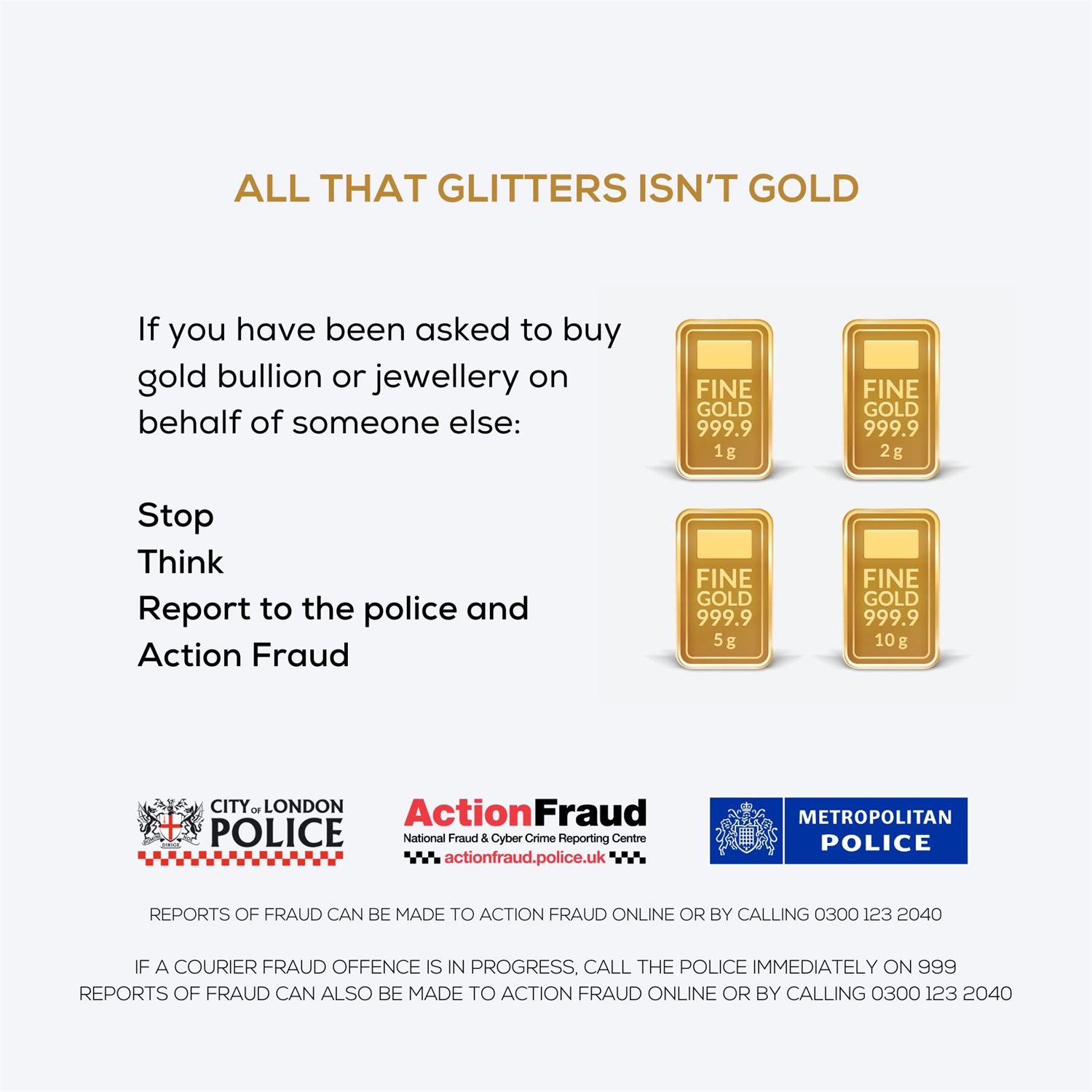
Courier Fraud involves criminals impersonating police officers, bank officials or other trusted figures to deceive victims into believing their bank accounts have been compromised or that they must assist with a police investigation. Victims are then encouraged to withdraw money or purchase high-value items such as jewellery, watches or gold bullion, which they are instructed to hand over to a courier under false assurances of reimbursement.
Courier fraud is financially and emotionally devastating and poses a serious threat to the reputation and integrity of the jewellery sector.
- In the past year alone, over £28.7 million was lost to courier fraud.
- Individuals in their 80s made up 43% of the victims, with the average loss reaching £20,032 per person.
- Between February and May 2025, jewellery-related courier fraud losses totalled £2.7 million, with gold being the most commonly requested item, followed by watches.
Identifying Potential Victims
Jewellery retailers are on the frontline of defence against courier fraud. Early recognition of suspicious behaviour can stop a fraud in progress. Watch for these warning signs:
- Unusual Purchasing Behaviour: Customers showing no interest in the item’s features or referring to scripted notes during the transaction.
- Unfamiliarity: New customers who appear disengaged or unaware of the store’s typical offerings.
- Evasive or Anxious Responses: Vague, inconsistent answers when asked about the purchase; signs of nervousness or pressure.
- Sense of Urgency: The customer is in a hurry to complete the transaction.
- Ongoing Communication with a third party: The individual may be on the phone or accompanied by someone coaching them throughout the interaction.
If any of these indicators are present, proceed with caution and verify the legitimacy of the situation.
What You Can Do:
Stop – Consider whether the transaction aligns with the customer’s typical behaviour. Are they confused, distressed, or acting out of character?
If so, involve a senior member of staff. If possible, discreetly guide the customer to a quiet area and provide reassurance.
Think – Respectfully question the legitimacy of the transaction. Has someone instructed them to make the purchase posing as a police officer, bank, or government agency? Do they appear to be coached?
Fraud – Ask whether someone is waiting nearby to collect the item. If you suspect a courier fraud is in progress, call 999 immediately.
In addition to taking these steps, regular staff training and customer awareness campaigns are critical in preventing all types of fraud. Knowing how to spot red flags and respond appropriately can protect both your customers and your business.
In one recent case, fraudsters impersonating representatives from a bank and the Financial Conduct Authority contacted a victim to claim her account had been compromised. They presented fabricated evidence of an attempted £130,000 transaction and convinced her that she needed to remove her funds for safekeeping.
At their instruction, she purchased gold bullion under the guise of assisting in an investigation. The bullion, delivered to her home, was later collected by individuals posing as couriers. Over time, the victim made around 30 separate payments, totalling £510,000, to a legitimate jewellery business—unwittingly aiding the criminals.
Courier fraud is a sophisticated and growing threat to the jewellery retail sector, with criminals exploiting the industry as a channel to launder stolen funds.
As these frauds become more advanced, it is vital that jewellers:
- Recognise the red flags of suspicious transactions
- Implement clear store protocols to identify and respond to potential fraud
- Educate staff and engage customers to raise awareness
Source: Met Police